 Marshall Rare Books

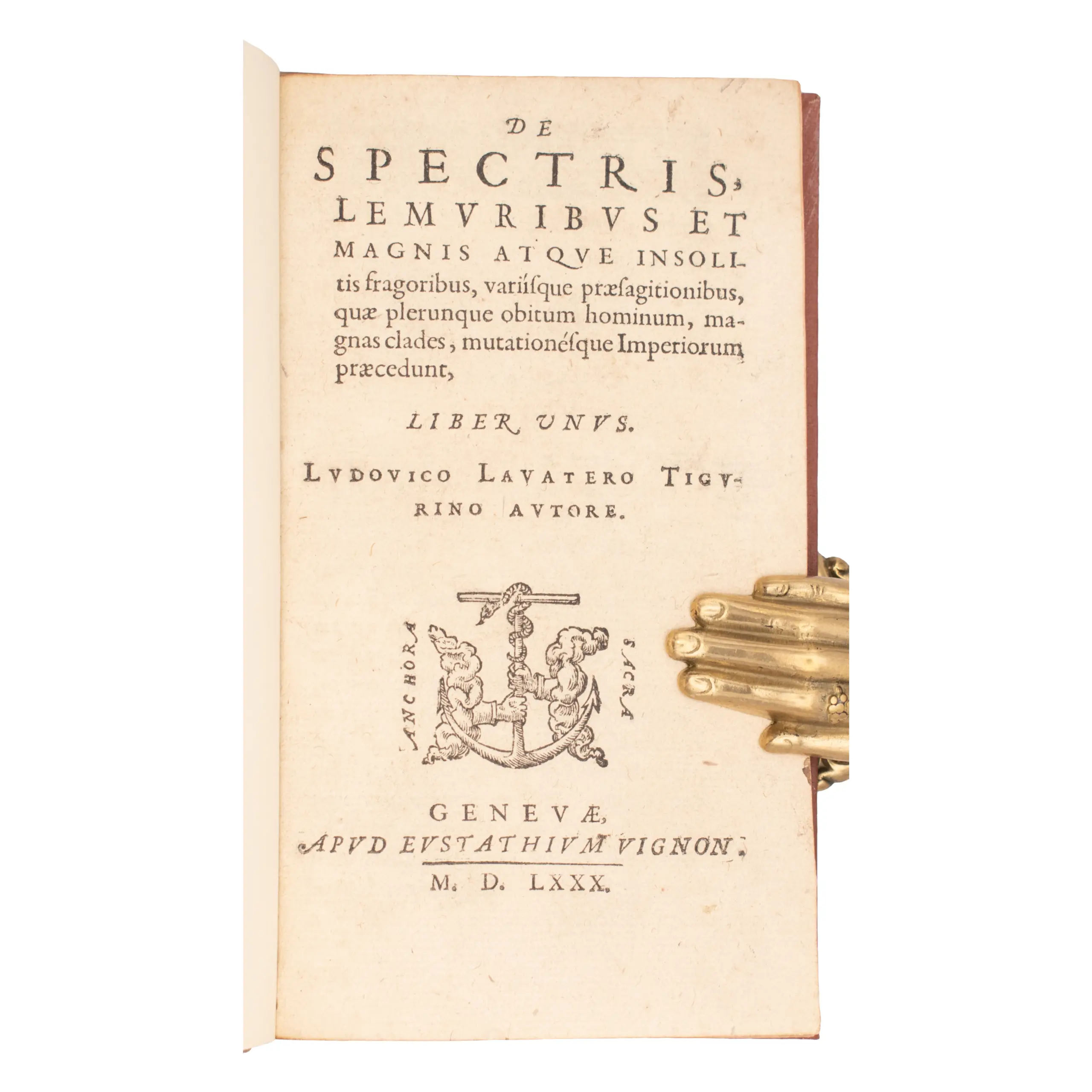
De Spectris, Lemuribus et Magnis atque Insolitis fragoribus, variisque praesagitionibus, quae plerunque obitum hominum, magnas clades, mutationes imperiorum praecedunt, Liber unus
AN IMPORTANT SOURCE FOR SHAKESPEARE'S HAMLET
Latin Edition, [xvi], 213, [1]pp., woodcut printers device to title, Roman and Italic type, foliated initials, modern endpapers, modern calf over terracotta cloth, a.e.r., 8vo, Geneva, Eustathius Vignon, 1580.
This rare treatise, first published in 1570, discusses the appearance of apparitions, ghosts and phantoms, as well as the happening of inexplicable events which presage great disasters and peculiar accidents occurring after someone’s death. Lavater expresses here what came to be the dominant view in Protestant theology: what people call ghosts are actually demons or angels. The afflicted may be unable to tell if the apparition is angelic or demonic, but those are the only two options. Although Lavater accepted the existence of ghosts, he dismissed many supposedly supernatural apparitions as the hallucinations of women, like both Johann Weyer and Reginald Scot. As such, Lavater has been seen as providing a clear intellectual and pastoral program for his readers, one that was much more difficult in a pre-Reformation or Catholic Reform world where room for ambiguity remained even in some of the most influential theological texts.
The Reformation caused a complex cultural and psychological shift, as the Thirty-Nine Articles of 1563 marked the doctrine of Purgatory as a superstition which was ‘repugnant to the world of God’. Given that spiritual visitants could therefore only come from heaven or hell, Protestant ghost-seers were left in the position of having to rule out ghosts of the departed as an explanation. Yet ghosts did not just disappear among Protestants in the absence of a theological place for them. Pre-Reformation pamphlets, sermons and other documents discussing the revenant dead continued to circulate and their stories were told in various settings.
Given that ghost-seeing in sixteenth-century England, or at least the cases considered most worthy of note and dissemination, were explained as the intervention of malevolent spirits, it was inevitable that the issue would become interlinked with demonology and witchcraft.
Provenance: Dr. Alan Gauld (1932-2024), parapsychologist and historian of psychical research, formerly of the University of Nottingham; his ex libris label and ownership inscription.
[Adams L300; Caillet 6237; Dorbon 2509]
Books you may also like
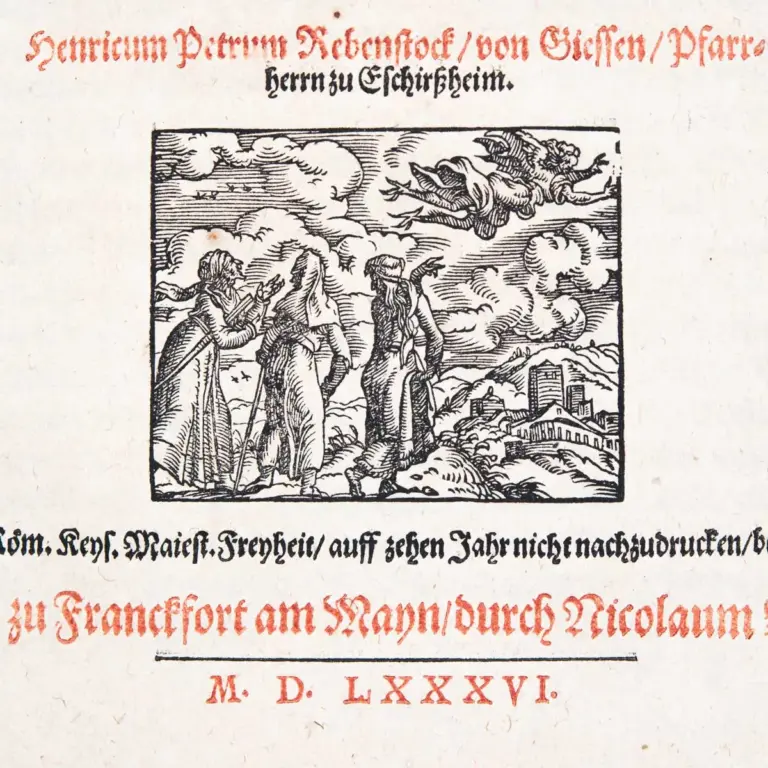
[WITCHCRAFT SAMMELBAND – JOHANN WEYER]
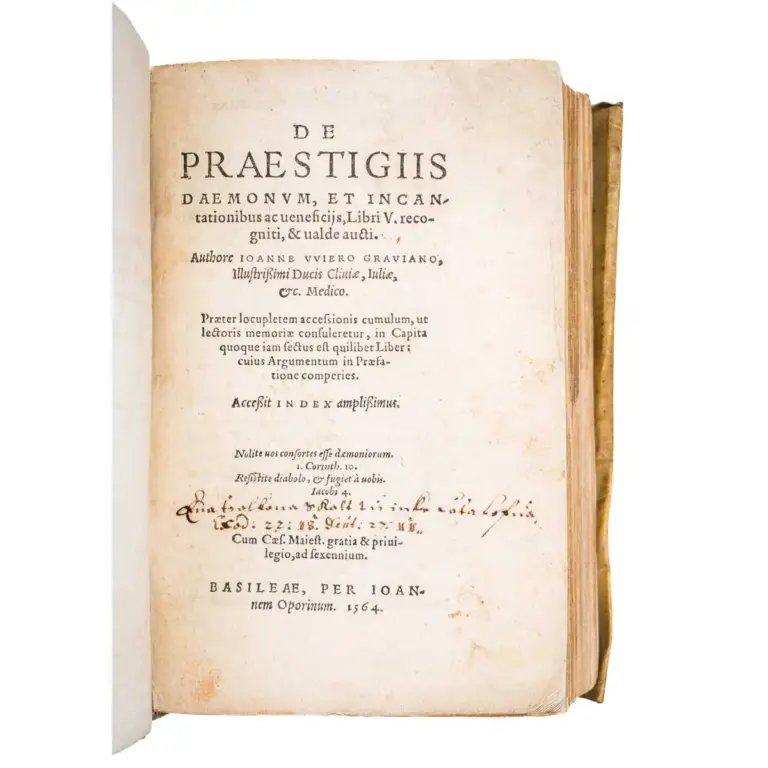
De Praestigiis Daemonum, Et Incantationibus ac ueneficiis, libri V. recogniti, & ualde aucti. Authore Ioanne Vviero Graviano, illustrißimi ducis Cliuiae, Iuliae, &c. medico.
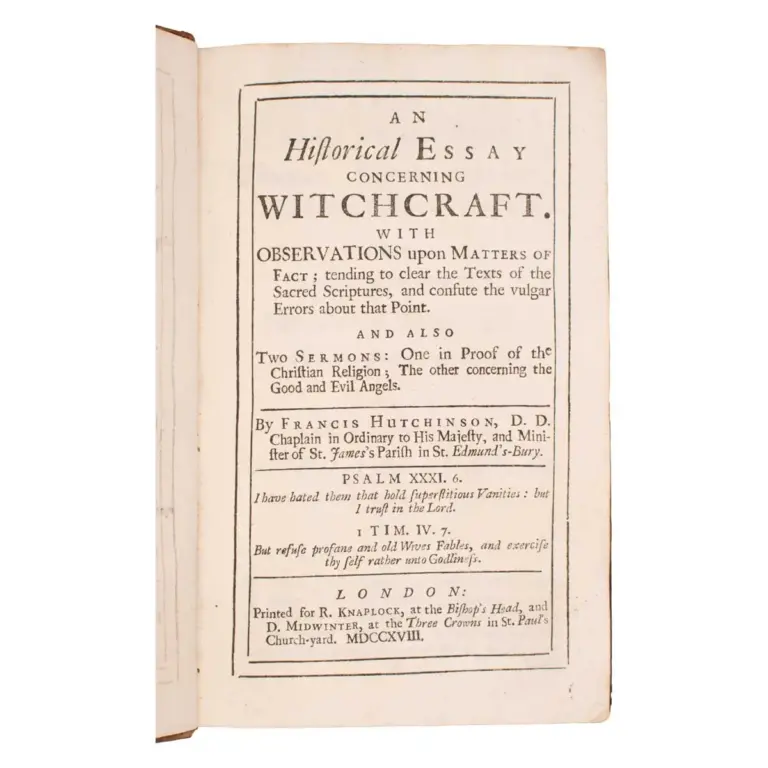
An Historical Essay Concerning Witchcraft. With Observations upon Matters of Fact; tending to clear the Texts of the Sacred Scriptures, and confute the vulgar Errors about that Point.