Marshall Rare Books
Naufrage de La Frégate la Méduse, faisant Partie de L'Expédition du Sénégal en 1816…
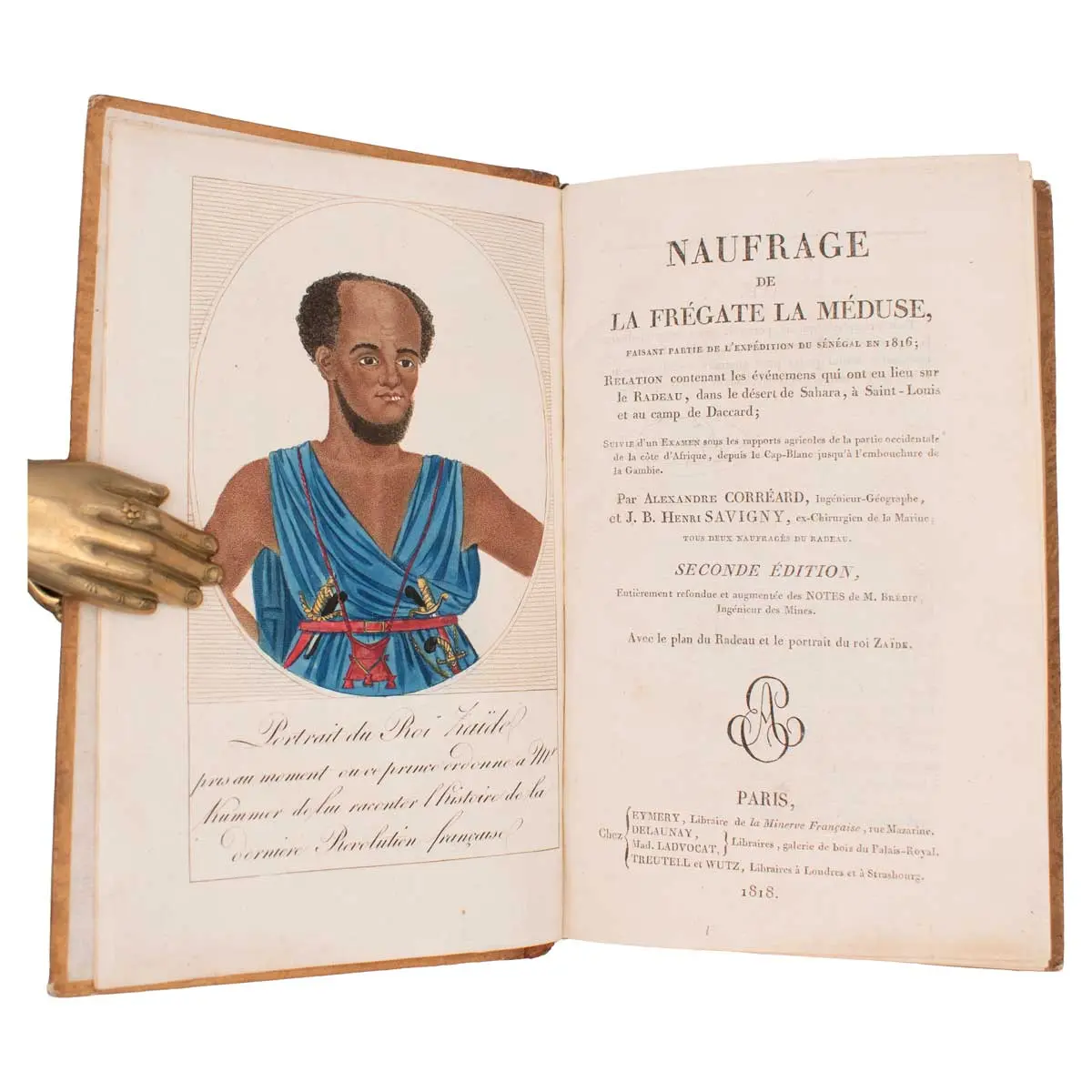
A scarce edition of an important book, both politically influential as well as an insight into the horrors and suffering of being abandoned at sea.
SECOND FRENCH EDITION, half title, hand coloured portrait frontispiece, plan of raft, top edge toned, engraved bookplate to pastedown, contemporary quartre calf over later boards, spine gilt, red morocco label to spine, 8vo, Paris, chez Eymery, Delaunay, Madame Ladvocat, Treutell et Wutz, 1818
A very clean copy.
“Of one hundred and fifty persons embarked upon the raft, and left to their fate, only fifteen remained alive thirteen days afterwards; but of these fifteen, so miraculously saved, life constituted the sole possessions, being literally stripped of everything.”
A first hand account of when 147 men, abandoned on a makeshift raft after their ship ran aground off the coast of Africa. There followed murder, class warfare, mutiny, starvation, unimaginable depravity and eventually cannibalism.
In June 1816, the French Frigate, The Medusa, and three other ships sailed for the French colony of Senegal in West Africa. An inexperienced captain would run the ship aground and a shortage of lifeboats meant that only the upper classes and senior officers would be allowed to board them. The lower classes, and a handful of crew left behind, had to build their own makeshift raft for 147 people. The lifeboats briefly towed the raft until, in an act of cowardice and cruelty, the captain cut it loose to drift away on a horrific 13-day odyssey.
On the very first night adrift, 20 men were murdered, and by the fourth day there were only 67 people left alive. They had resorted to murder and cannibalism to survive. When the raft was found 13 days later, only 15 of the original 147 had survived.
1815 was a turbulent year for France. Following Napoleon’s defeat at Waterloo, the French monarchy was restored. The new king, Louis XVIII, gave unqualified men highly paid jobs as political favours. The captain of the Medusa, Viscount Hugues Duroy de Chaumereys, was one of them. It was widely considered his incompetence which led to the horrifying events that unfolded shortly after the Medusa set out to sea. Chaumereys hadn’t been at sea for over 20 years and he became a symbol of Government corruption. The social and political turbulence that plagued French society was exposed, and France itself was considered a political shipwreck.
The authors Correard and Savigny were both survivors of the Medusa shipwreck. Alexandre Correard was an engineer and Jean-Baptiste Savigny was a doctor. Their professions may have saved their lives. Their account inspired the famous painting ‘The Raft of the Medusa’ by Theodore Gericault. Correard was even interviewed by Gericault, and both authors appear in the painting. Displayed for the first time in 1819, the work shook the world and scandalised high society, partly due to the portrayal of a heroic black man.
A scarce edition of an important book, both politically influential as well as an insight into the horrors and suffering of being abandoned at sea.
Provenance:
Bookplate of Georges de Rarecourt de La Vallée, Marquis de Pimodan
Books you may also like
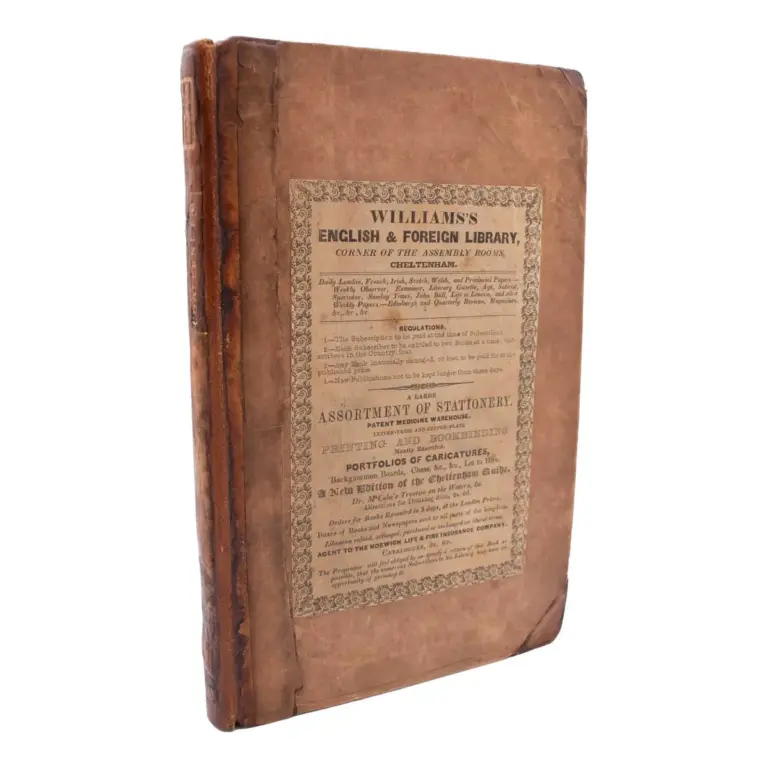
A Diary of the Wreck of his Majesty’s Ship Challenger, on the Western Coast of South America, in May 1835
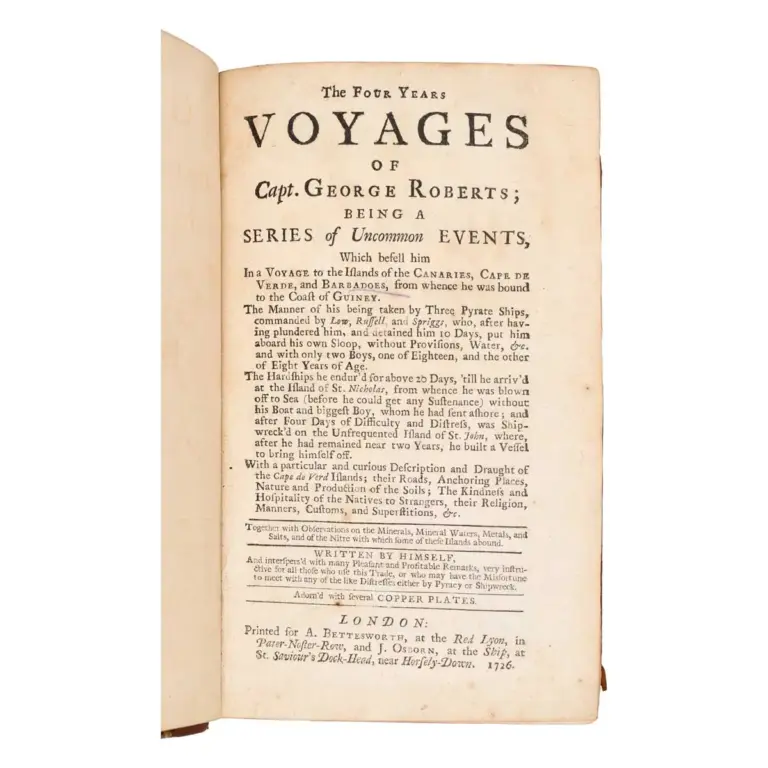
The Four Years Voyages of Capt. George Roberts; Being a Series of Uncommon Events Which befell him in a Voyage to the Islands of the Canaries, Cape de Verde, and Barbadoes
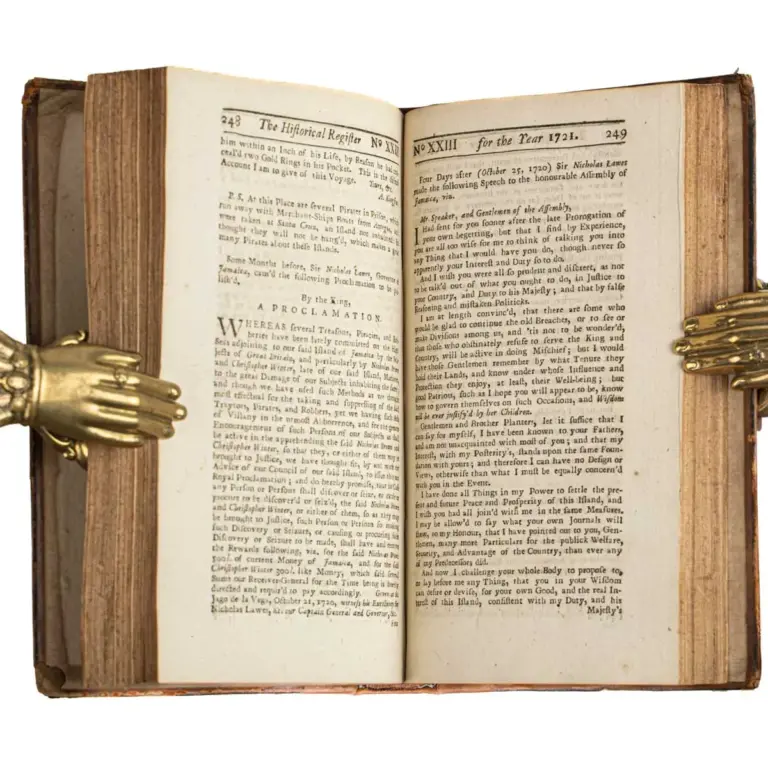
The Historical Register, Containing An Impartial Relation of Transactions, Foreign and Domestick. With a Chronoligical Diary of All the Remarkable Occurrenes, vix.