Marshall Rare Books
Two Watercolour Designs for Stained Glass Windows; one design for San Francisco Nave No.1, second design is likely for the Immaculate Conception Church Hawthorn in Melbourne, Australia.
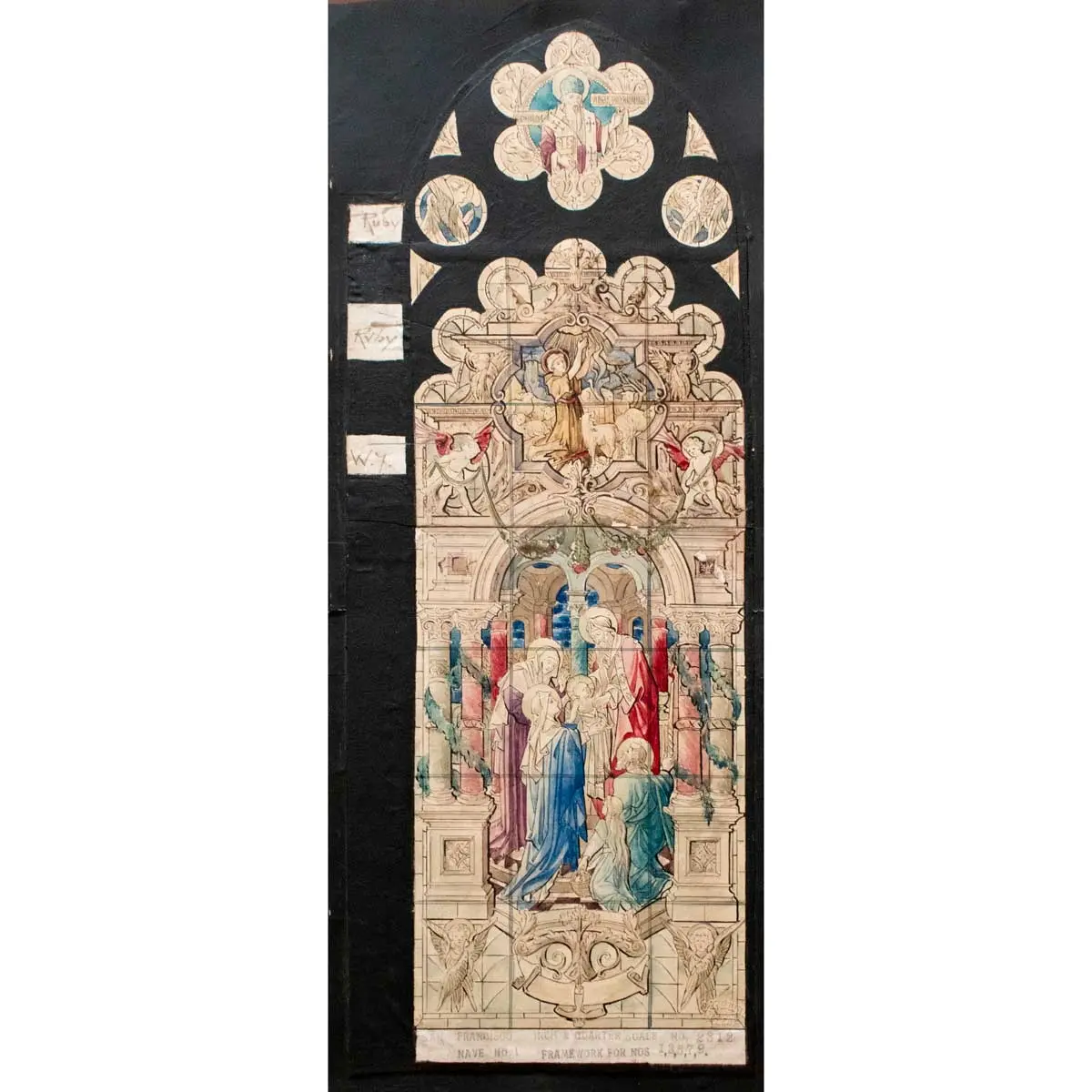
SPLENDID WATERCOLOUR DESIGNS BY HARDMAN & CO. A.W.N.PUGIN’S GLASS PAINTERS
John Hardman & Co, Birmingham 1893, sheet sizes: 485 x 185mm & 510 x 200mm,
Paper laid onto board with title printed to lower ‘San Francisco Inch & Quarter Scale No. 2312, Nave No. 1 Framework for Nos 1,3,5,7,9’, and notes in ink to upper left margin.
The design showing The Presentation of Jesus in the Temple, over one large window, 7 smaller floral and circular shaped designs above, two containing angelic depictions, one containing a depiction of a Saint.
The second design for Church of the I…: Conc. Hawthorn, Apse Window, April 25/93, with title in ink to lower margin, design showing a depiction of The Reward of the Faithful, over three main panels, 9 smaller panels above, of which 4 show angelic depictions.
This second design may be for the Immaculate Conception Church Hawthorn in Melbourne, Australia. Hardman was commissioned to design stained glass windows for this church.
Both designs most likely by Pippet are in ink and watercolour on paper, laid on card with theembossed stamp of Hardman & Co. The reverse of each watercolour design carries information regarding the style, weight and size of the window to be produced.
‘John Hardman & Co was one of Britain’s greatest stained-glass studios, and examples of its work are to be found throughout the UK and overseas.
The Hardman family arrived in Birmingham in the mid-1700s, where John Hardman Sr. (1767–1844) began producing gilded base metal products and buttons. His son, John Hardman Jr. (1811–67), met A.W.N. Pugin (1812-52) and expanded the business into ecclesiastical metalwork, founding John Hardman & Co. in 1838.
Subsequently, in 1845, the firm expanded into the production of stained glass. Pugin served as its chief designer until his passing, after which his nephew, John Hardman Powell (1827-95), succeeded him.
John Hardman Powell a deeply religious Roman Catholic, was trained as an apprentice by Pugin. A rare privilege given Pugin’s reluctance to employ clerks or take on pupils. The Hardman firm continued to flourish under his leadership, due in part to the individual attention given to commissions and the originality of each design, a contrast to other firms that would often reuse designs numerous times.
An influential figure at this time was Joseph Aloysius Pippet (1840-1903), who having joined as an apprentice, worked for the firm for 50 years, carrying out many decorative schemes, and also designing metalwork, stained glass and textile items.
This was a period of great success for the firm with stained glass being supplied to over 1,800 buildings in Britain and overseas between 1866 and the turn of the century.
Following John Hardman Powell’s death in 1895, his son, Dunstan Powell (1861-1932) took over as chief designer.
The firm continued into the twentieth century and c.1939 was renamed John Hardman Studios at which time Donald Battershill Taunton (1886-1965) and Patrick Feeny (1910-1995) were designers. Feeny experimented with new material and techniques, including dallede verre, while also continuing with the traditional work of glass painting and restoration.
When Feeny retired in 1974 the studio passed to two regular customers of the firm, Edgar and Margaret Philips, and in due course, their son, Edgar Philips. From 1986 to 2004 the Studio Manager and Chief Designer was David Williams. The studio finally closed in 2008’.Visit Stained Glass
Ref: Hardman of Birmingham, Goldsmith and Glasspainter by Michael Fisher (Landmark Publishing, 2008)
The Stained Glass of John Hardman and Company under the leadership of John Hardman Powell from 1867 to 1895 by Mathé Shepheard, which can be downloaded as a 3 volume PDF
Stained Glass Marks & Monograms, complied by Joyce Little, and edited by Angela Goedicke & Margaret Washbourn (NADFAS, 2002)
Books you may also like
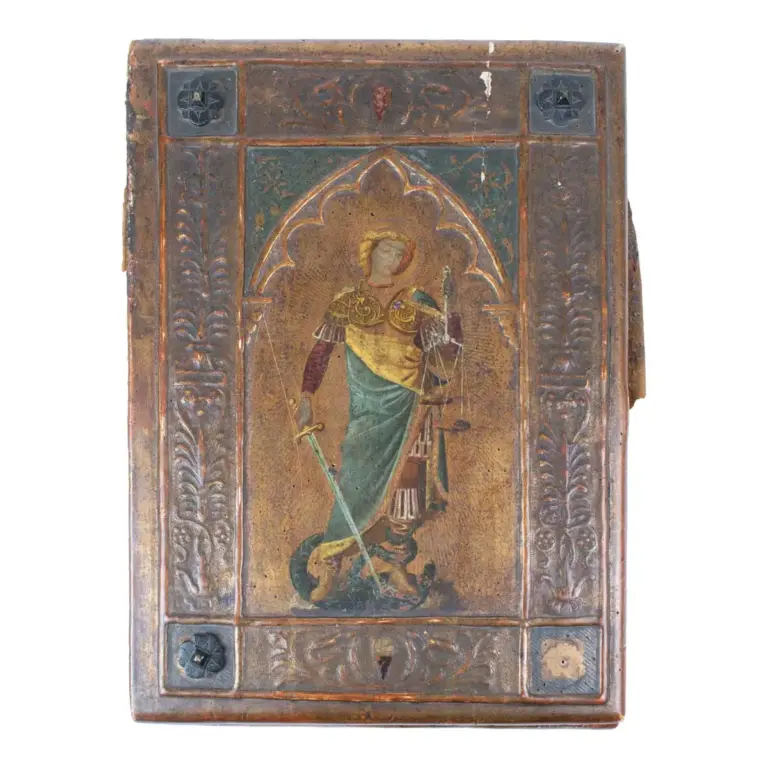
Upper Cover with a Carved & Painted Figure of the Archangel Michael and Lower Cover with the Arms of Gabriel del Commune of Sienna 1497.
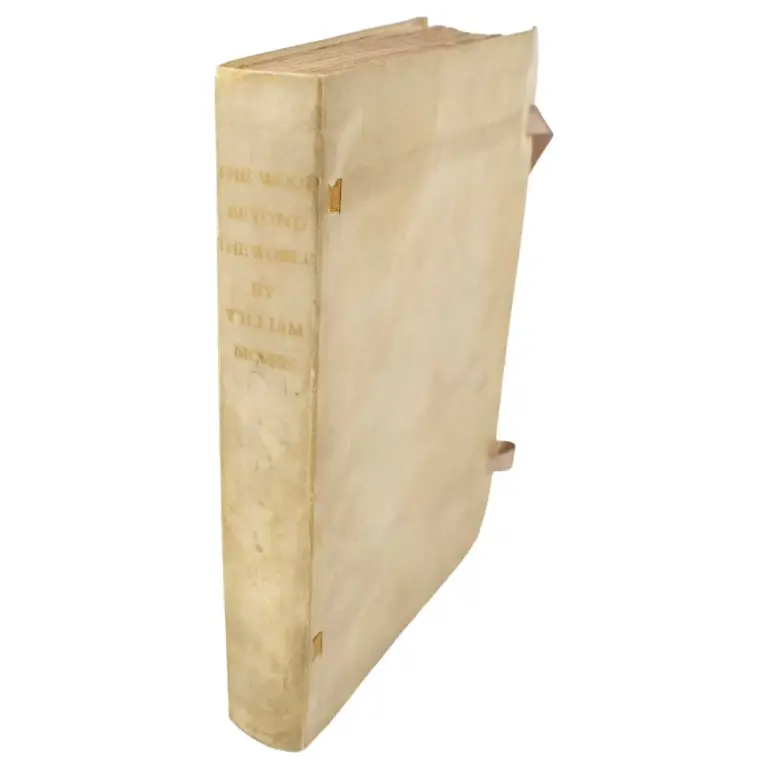
The Wood Beyond the World. By William Morris.
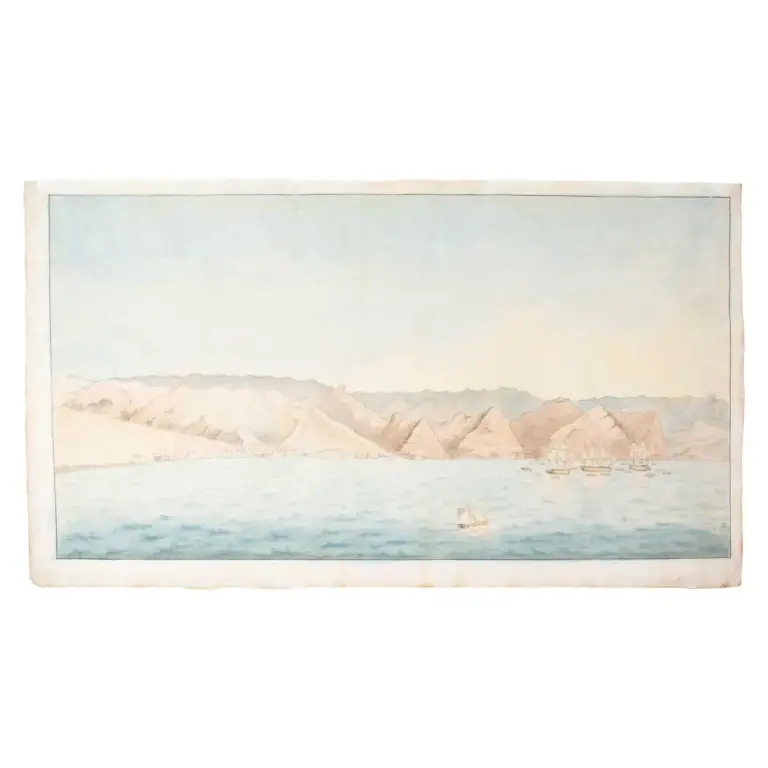
A Fine Watercolour Panorama of the Coastline of The Isle of Teneriffe naval vessels in the foreground, mountains and the town of Puerta de la Cruz in the background.
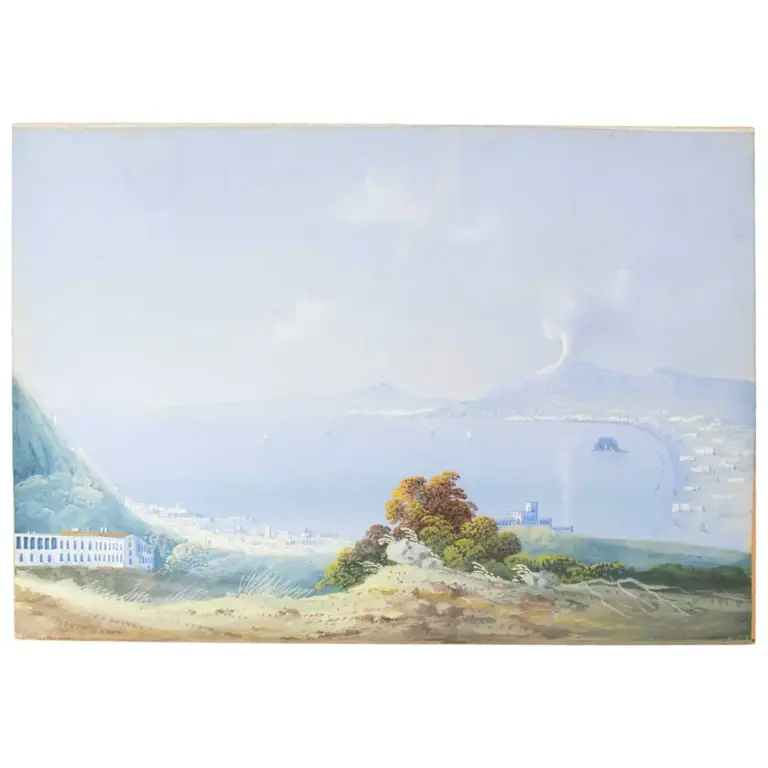
A Very Fine Pair of Large Neopolitan Gouache Paintings of the Bay of Naples with Views of Vesuvius Erupting a Fine Ash