Marshall Rare Books
PRINCE CHARLES EDWARD.
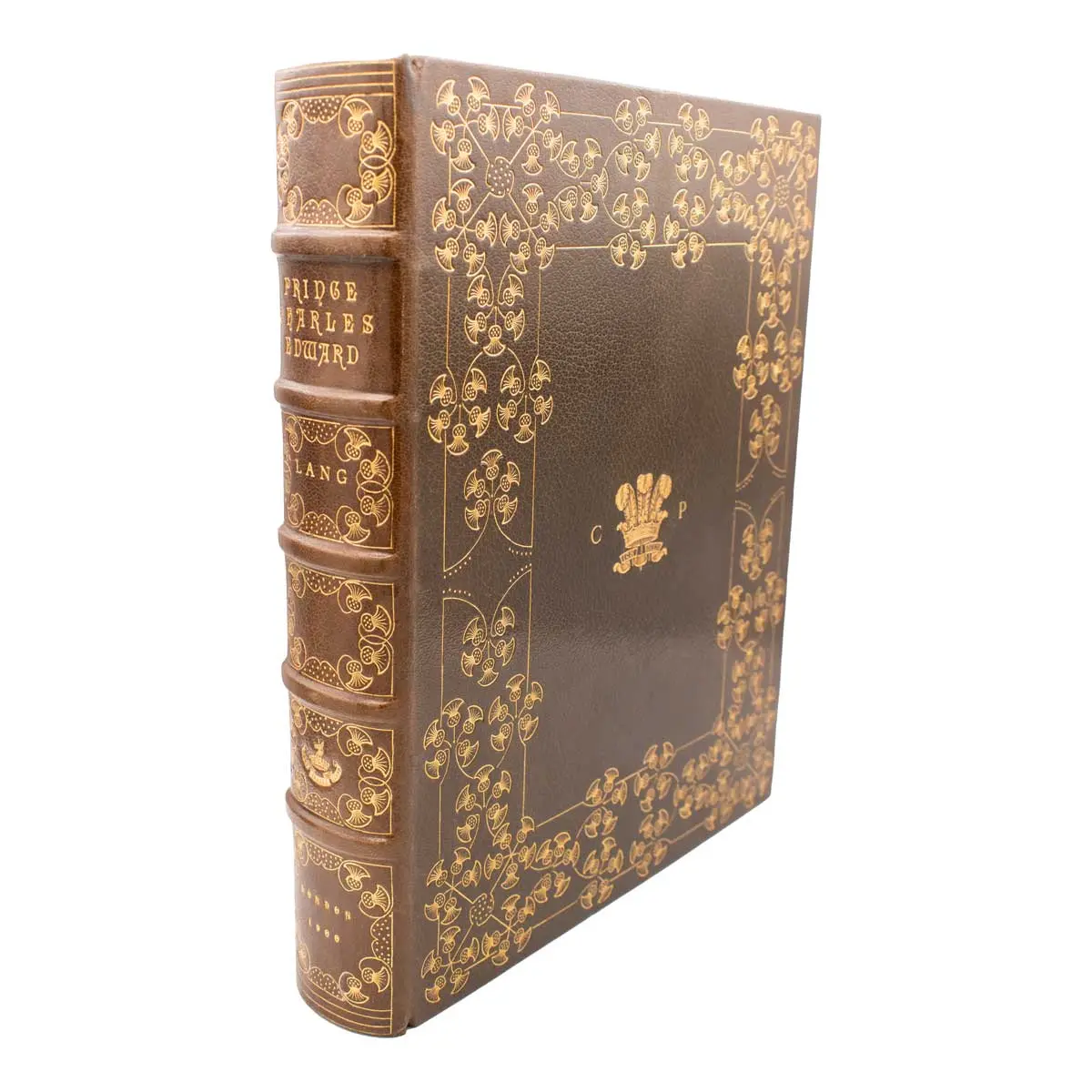
A GUILD OF WOMEN BINDERS VOLUME OF ALMOST UNHEARD-OF SIZE
No. 19 OF 350 COPIES, 1 p.l., vii, 300 pp., [1] leaf, 33 engraved plates, all with a second state in bistre, one in colour, all with lettered tissue guards, 3 engraved facsimile letters (one is two-sided), engraved head- and tailpieces, seven of these with an extra state in bistre, IMPRESSIVE OLIVE-BROWN CRUSHED MOROCCO, GILT, BY THE GUILD OF WOMEN BINDERS (stamp-signed on front turn-in), covers with a wide frame of elaborately tooled thistles enclosing the badge of Prince Charles Edward at center, raised bands, spine gilt in compartments with tooled thistle frame, one compartment with small heraldic crest at center, three others with gilt titling, very wide turn-ins with sprays of thistles at the corner, vellum(?) pastedowns, top edge gilt, spine evenly sunned to a slightly lighter brown, a hint of rubbing to extremities, but A VERY FINE COPY, Folio (325 x 250 mm), London: Goupil & Co., 1900.
THE GRAND BINDING LUSTROUS.
This volume makes an immediate strong impression for two obvious reasons. First, like other examples of the work from the Guild of Women Binders, it is decorated without much concern for traditional patterns of design, featuring floating dentelles that resemble dancing clover leaves enclosing the royal arms in the middle of each board. Second, compared to the typical Guild binding, it is immense! We do not know of another Guild of Women Binders binding approaching the physical size of this volume. The interior of the book tells the story of Charles Edward Louis John Casimir Sylvester Severino Maria Stuart (1720-88), commonly called by the (happily shorter) appellation The Young Pretender (and after his death as Bonnie Prince Charlie). As the grandson of the deposed James II, he claimed the English throne (as Charles III) upon the death of his father James Francis Edward Stuart; he attempted to raise a rebellion in Scotland in 1745-56 to overthrow the reigning English monarch George II, but it failed at the Battle of Culloden.
This account is written by Andrew Lang (1844-1912), the well-known classicist, literary critic, poet, folklorist, and writer of fantasy novels.
Books you may also like
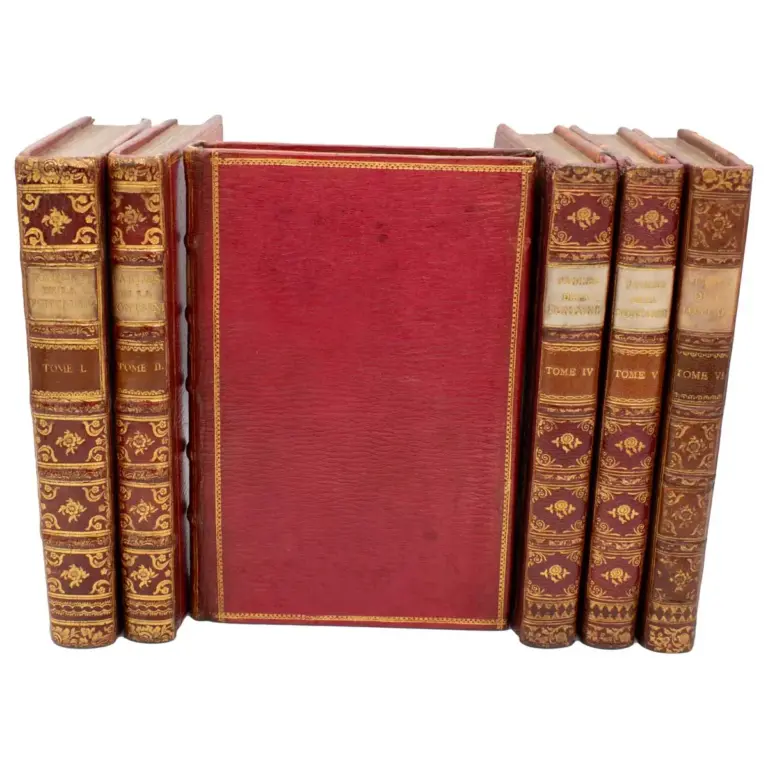
Fables choisies, mises en vers par J. La Fontain, nouvelle edition gravée en taille-douce, les figures par le sr. Fessard, le texte par le sr. Monular, dediées aux enfans de France
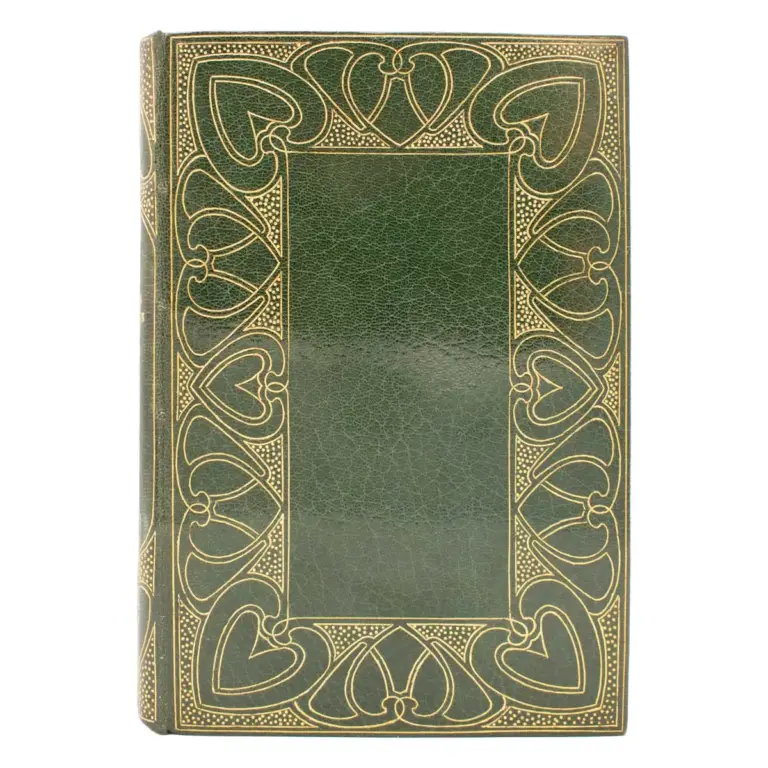
MARCUS AURELIUS ANTONINUS, THE ROMAN EMPEROUR, HIS MEDITATIONS CONCERNING HIMSELFE.
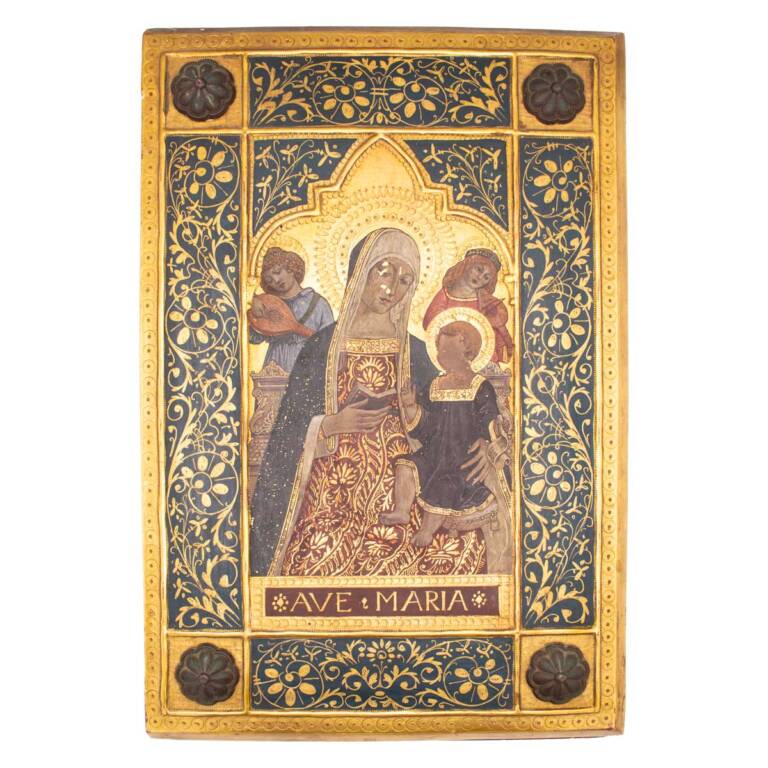
A ‘Tavolette’ Painted and Gilded Folio Panel Binding, imitating a 15th Century Sienese Book Cover featuring the Madonna and Child
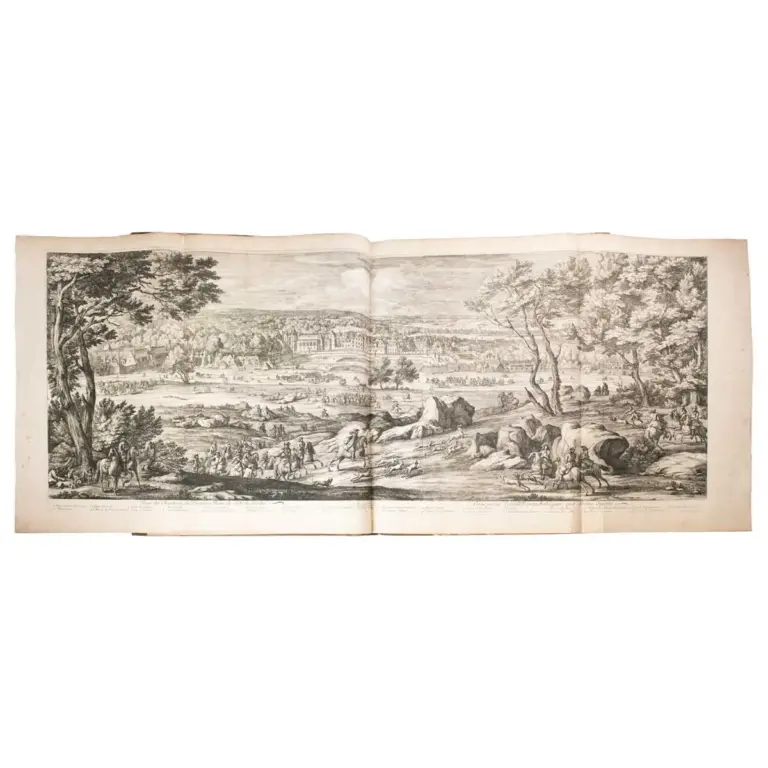
Collection of Hunting, Genre and Battle Scenes.