Marshall Rare Books
Metallotheca. Opus posthumum, auctoritate, & munificentia Clementis undecemi Pontificis Maximi ex tenebris in lucem eductum; Opera autem, & studio Joannis Mariae Lancisii... illustratum. Cui accessit appendix cum XIX. recens inventiis iconibus.
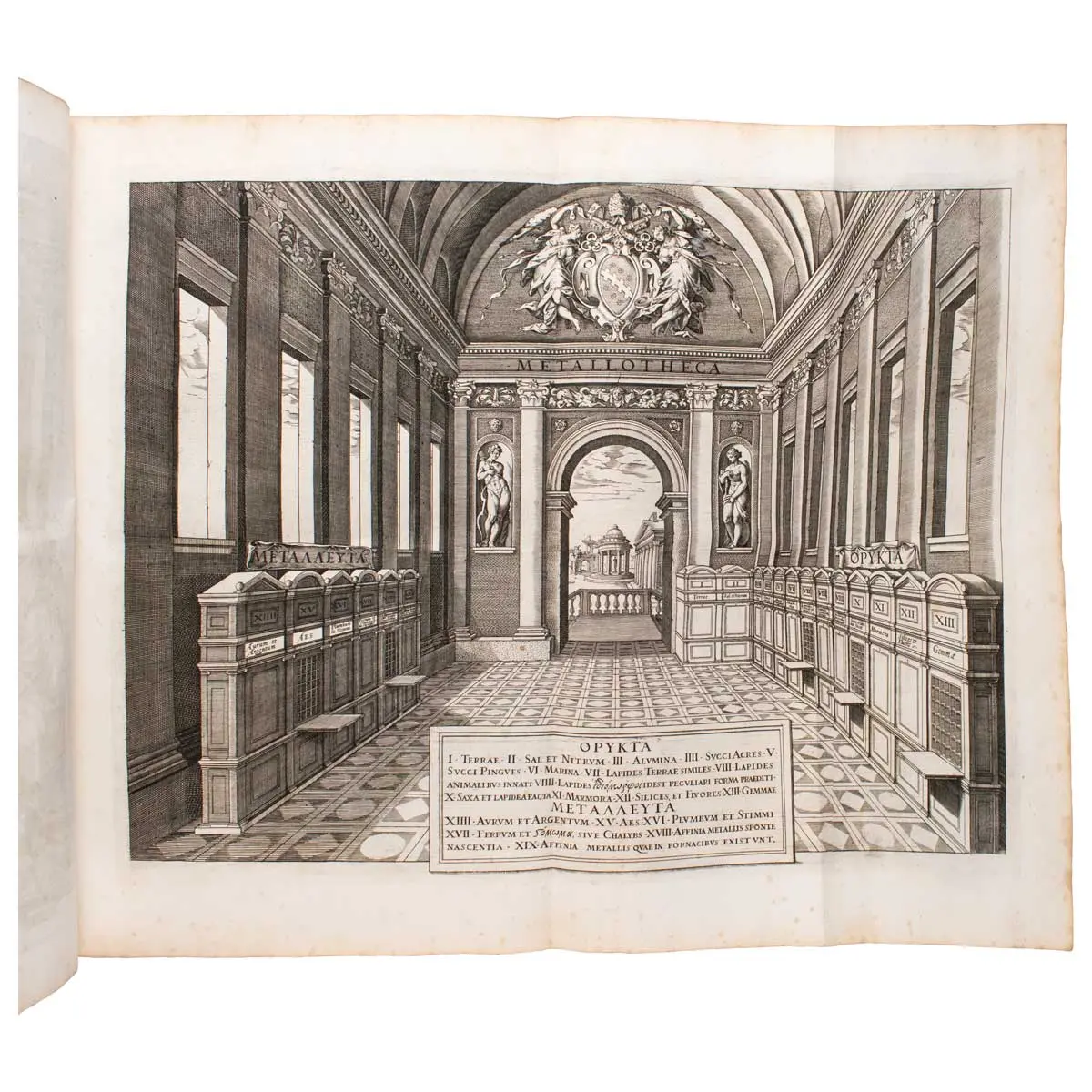
An Excellent Copy of the First edition, Second Issue of the first catalogue of the first significant European mineralogical museum.
First edition, Second Issue.
Rome, ex officina: Jo. Mariae Salvioni , 1719, folio (384 x 248 mm), pp [x, including half-title and frontispiece] xiii-lxiv 378 [18] with engraved frontispiece, portrait of Mercati , 6 engraved plates of which 2 are double-page, 139 engravings in text (several full-page), and engraved vignettes on title, 2 initials and one tailpiece; a large, and exceptionally clean copy, Contemporary full vellum.
An Excellent Copy of the First edition, Second Issue of the first catalogue of the first significant European mineralogical museum.
This is one of the most attractive ‘museum’ books ever published, with excellent engravings of fossils, minerals, statues, etc. Mercati (1541-1593), director of the Vatican botanical garden, had prepared this catalogue of the Vatican collection of fossils and minerals, assembled under the aegis of Pope Sixtus V, as early as 1574, although some 150 years elapsed before Lancisi edited and published this work. Besides Mercati’s text, Lancisi discovered the original copper-plates for the engravings, which are printed here for the first time. The collection, ‘one of the most important such collections in Europe’ (Torrens, The origins of museums), contained minerals, fossils, classical statues, palaeolithic tools, and various other natural and man-made artefacts exhibiting the general property of ‘stoniness’.
As a record of an important renaissance palaeontological museum, Mercati’s work is of great significance, even though his views on fossils are typical: he believed them to be lusus naturae, and in fact illustrates, side by side, Glossopetrae (fossilised sharks’ teeth) with the famous depiction of a shark’s head with teeth, commenting that one should not be deceived by their apparent similarity. Mercati did understand the artefact nature of palaeolithic stone tools, at the time generally held to be products of lightning bolts. It is fitting that Mercati, the great cataloguer of ‘stones’, suffered from bladder and kidney stones which contributed to his death; his autopsy, possibly done by his mentor Cesalpino, revealed 98 stones. One of the engravings in the text illustrates bladder stones extracted from Pope Pius V. ‘The Vatican collection consists of a series of cabinets with drawers, or ‘armaria’, in which are housed collections of earths, salts, alums, gums and resins, marine products, ores, fossils, marbles, and other objects collected by Mercati… The plates can scarcely be equalled for fidelity to originals and the exquisite care employed in their engraving and printing’ (Sinkankas, Gemology, an annotated bibliography).
The frontispiece, depicting the presentation of Mercati’s Metallotheca to Clement XI, is by Jakob Frey after Pietro Bianchi. The portrait of Mercati is by Benoit Farjat after Pietro Nelli’s copy of Tintoretto’s original. Most of the plates of antique statues in the Marmora section are by Vincenzo Franceschini and Louis Gaumier, in part after G.D. Campiglia. The majority of illustrations in the text are from the original sixteenth-century plates prepared for Mercati, printed here for the first time..
Hoover 582; Cobres p. 107 n 20; Sinkankas 4390; Ward and Carozzi 154
Books you may also like
Note overo Memorie del museo del conte Lodovico Moscardo, nobile veronese
Ittiolitologia Veronese del Museo Bozziano ora annesso a quello del Conte Giovambattista Gazola e di altri gabinetti di fossili Veronesi con la versione Latina.
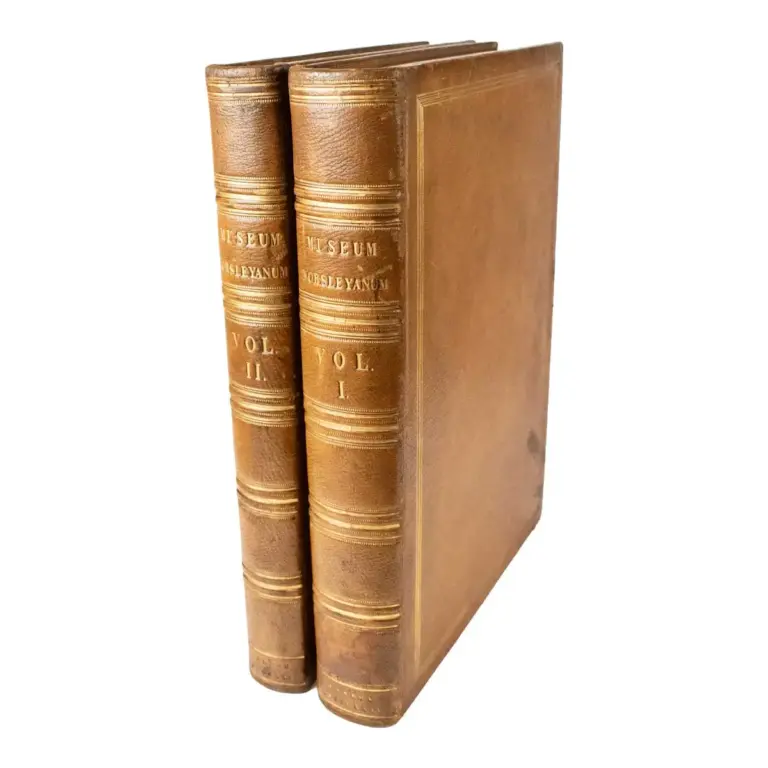
Museum Worsleyanum . Or a Collection Antique Basso-Relievos, Bustos, Statues and Gems; with views of places in the Levant taken on the spot.
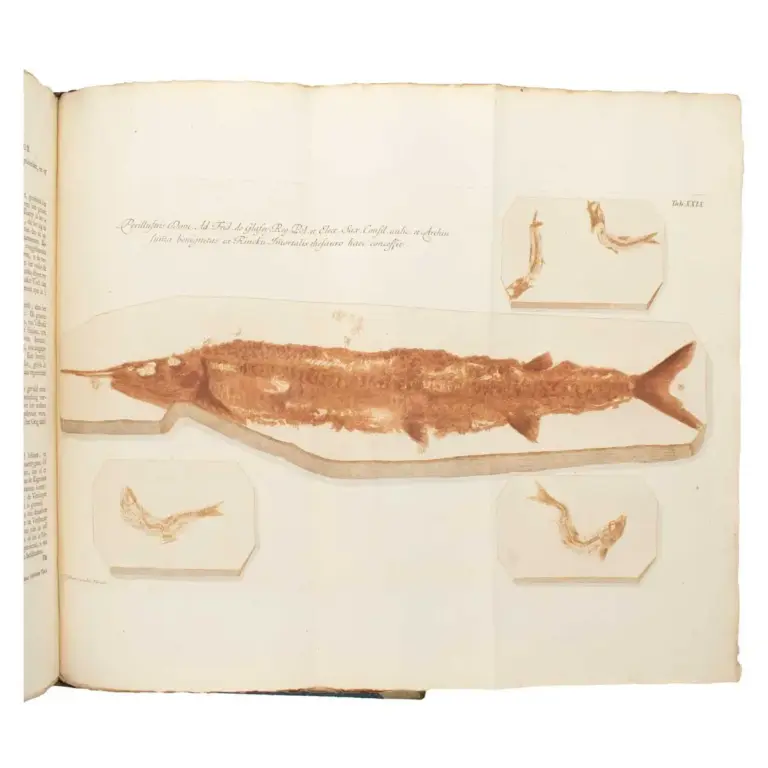
De natuurlyke historie der versteeningen, of uitvoerige afbeelding en beschryving van de versteende zaaken, die tot heden op den aardbodem zyn ontdekt: …